We answer Monday to Saturday, 7 a.m. to 7 p.m.Mon to Sat, 7 a.m. to 7 p.m.
Home » St Petersburg Leak Detection
We locate hidden water leaks for homes and businesses in St. Petersburg. You get a marked location and a clear report for the plumber you choose.

We locate leaks for homes and businesses in St. Petersburg, then leave the repair to the plumber you choose.

“Sonny was fantastic! Professional, thorough, and most importantly found the hidden leak. Under a slab of concrete. I found this company to be reasonably priced, honest and reliable.”
“Rylan was awesome on the phone. … Tyler was extremely knowledgeable, clean, courteous and efficient.”
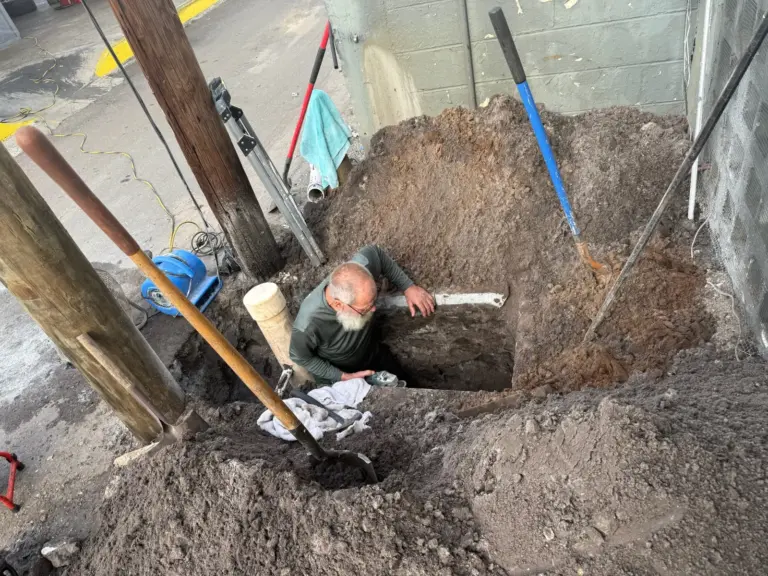
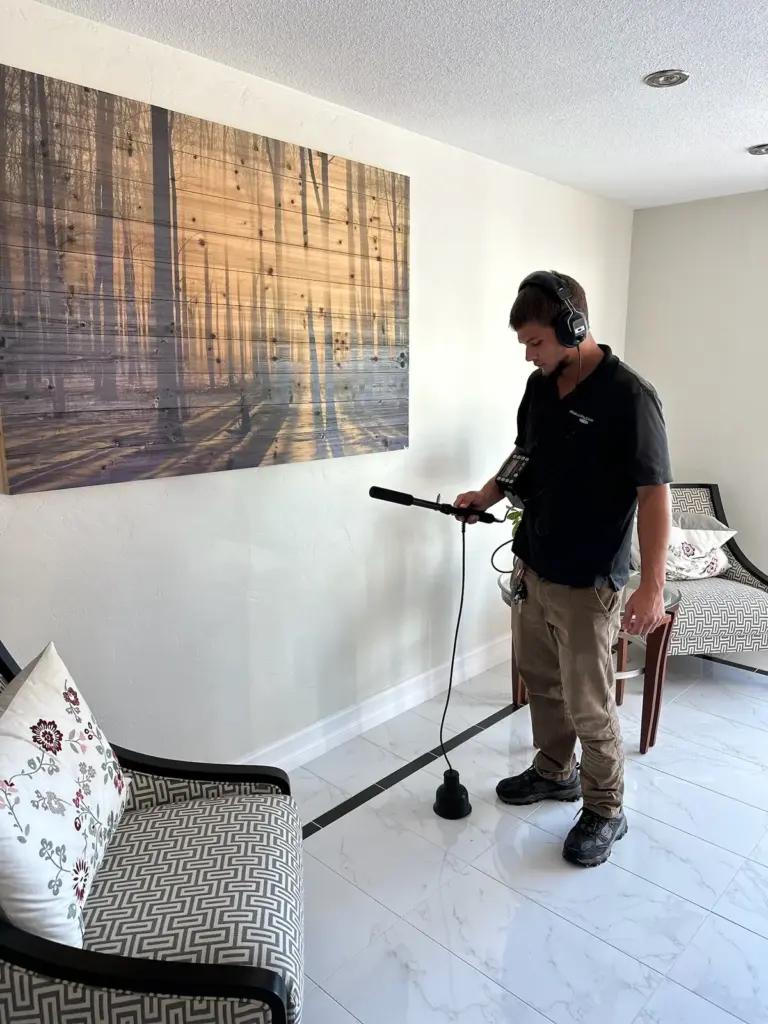
I Find Leaks serves St. Petersburg Monday through Saturday, 7 a.m. to 7 p.m. Our technicians listen along supply lines, pressurize lines when needed, and use FLIR thermal imaging where moisture hides behind drywall, tile or slab. We mark the leak for your plumber and keep our role limited to detection, so you receive an unbiased location before repair work starts.
8 Common Signs You Need Leak Detection

A sudden spike in your water bill without any clear cause is one of the most common signs of a hidden leak.

Hearing the sound of water running when no faucets or appliances are in use can indicate a leak somewhere in the plumbing.

Unexplained damp spots on floors, walls, or ceilings can suggest a hidden leak.

Persistent mold or mildew, especially in areas not typically exposed to moisture, can be a result of a water leak.

A noticeable drop in water pressure throughout the home may signal a leak in the plumbing system.

Water leaking under or around your home’s foundation can lead to cracks or shifting.

This could indicate a hot water line leak, especially in homes with slab foundations.

Banging, gurgling, or other unusual sounds from your plumbing system can be caused by water escaping through a leak.
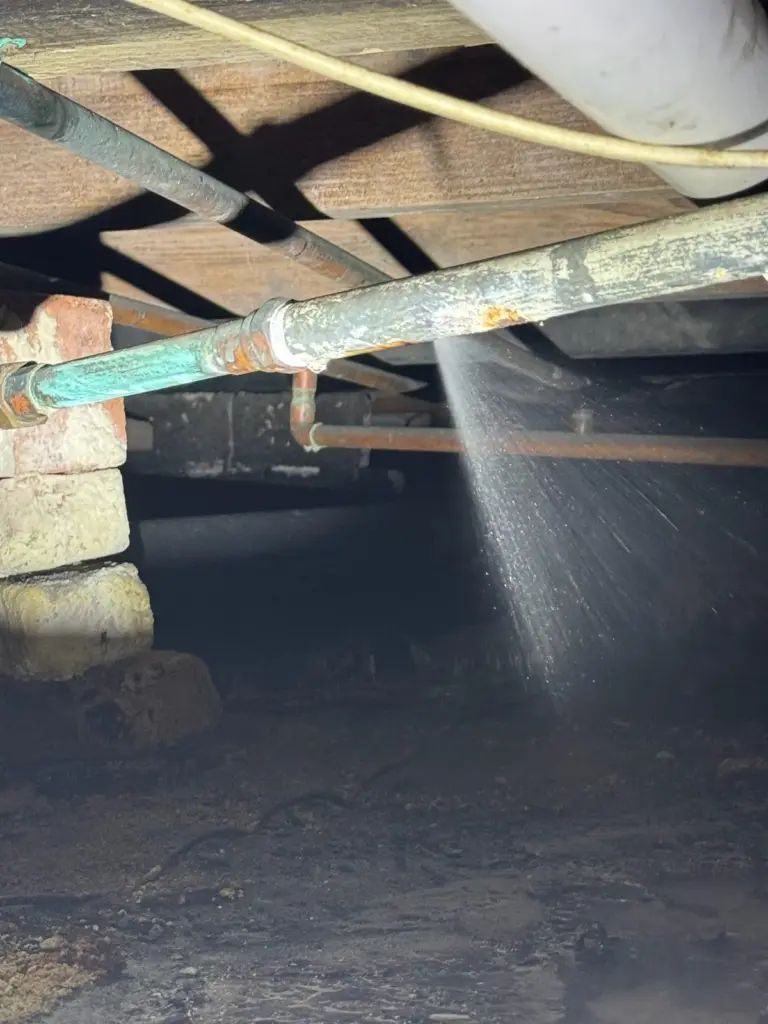
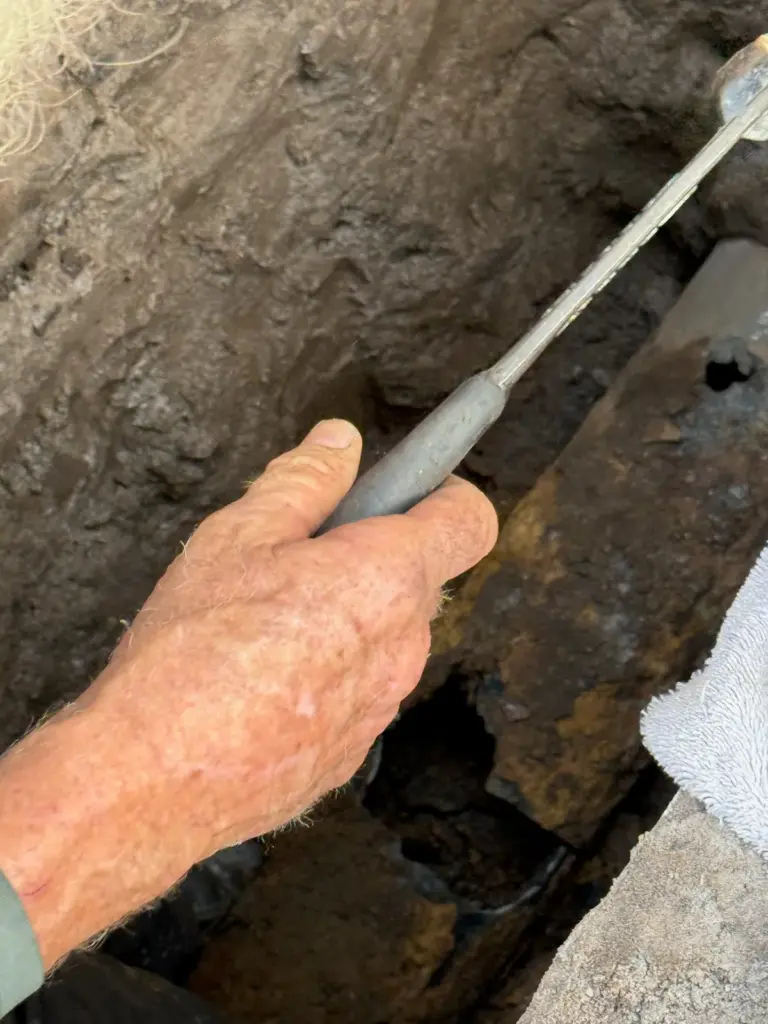
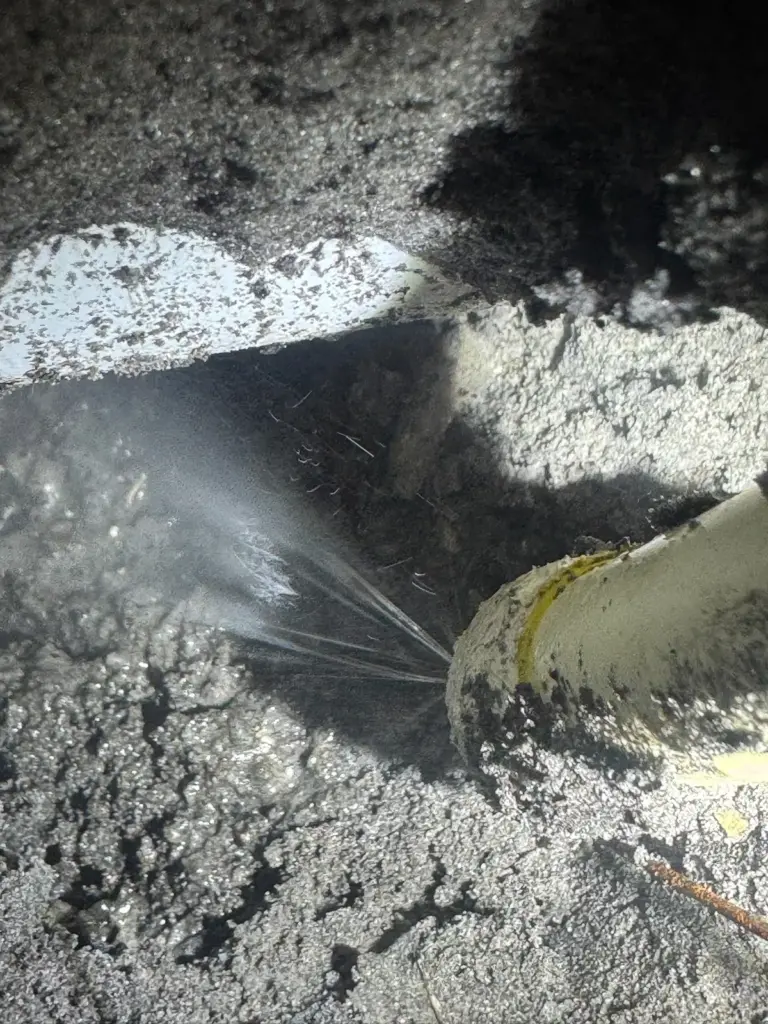
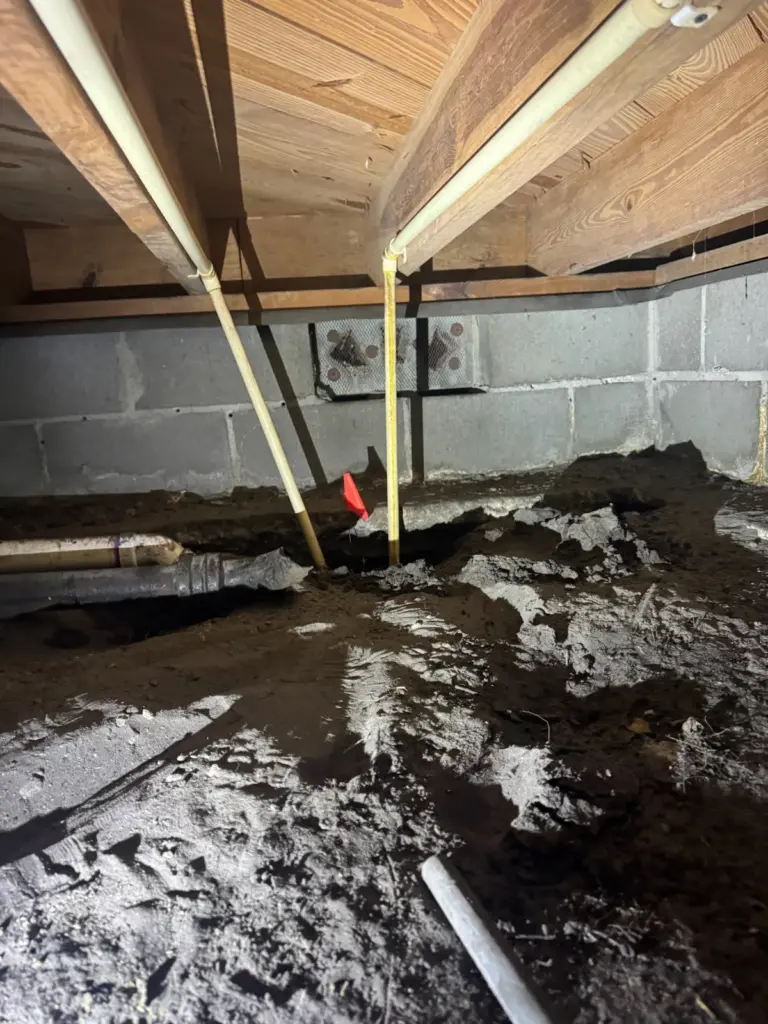
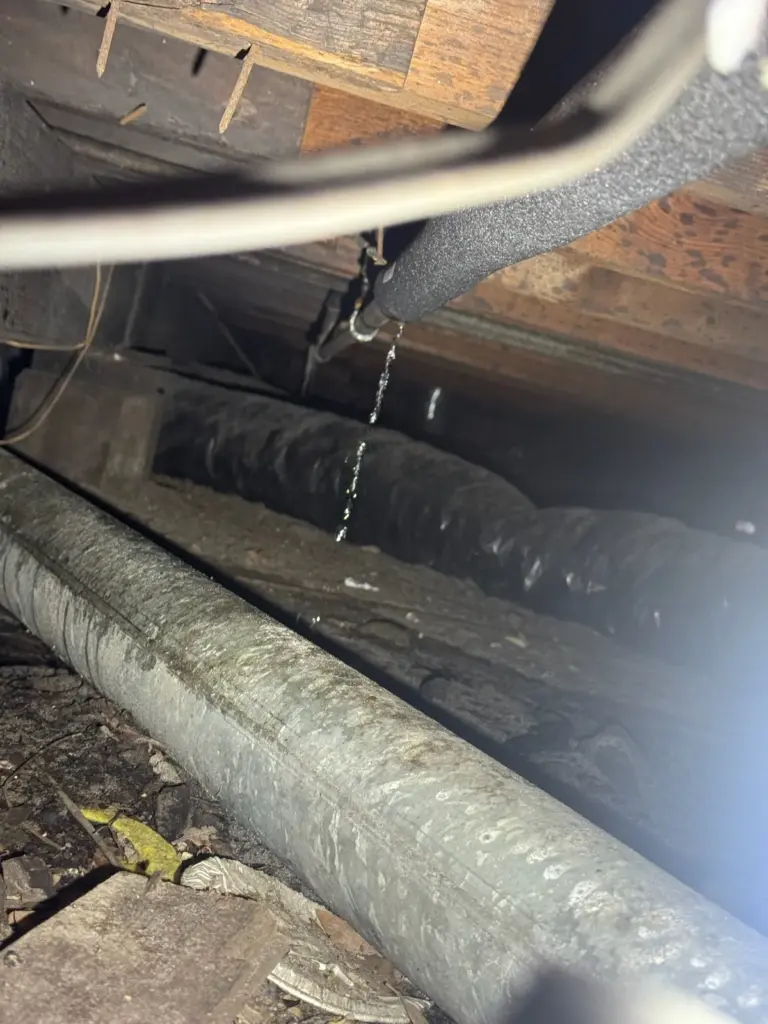
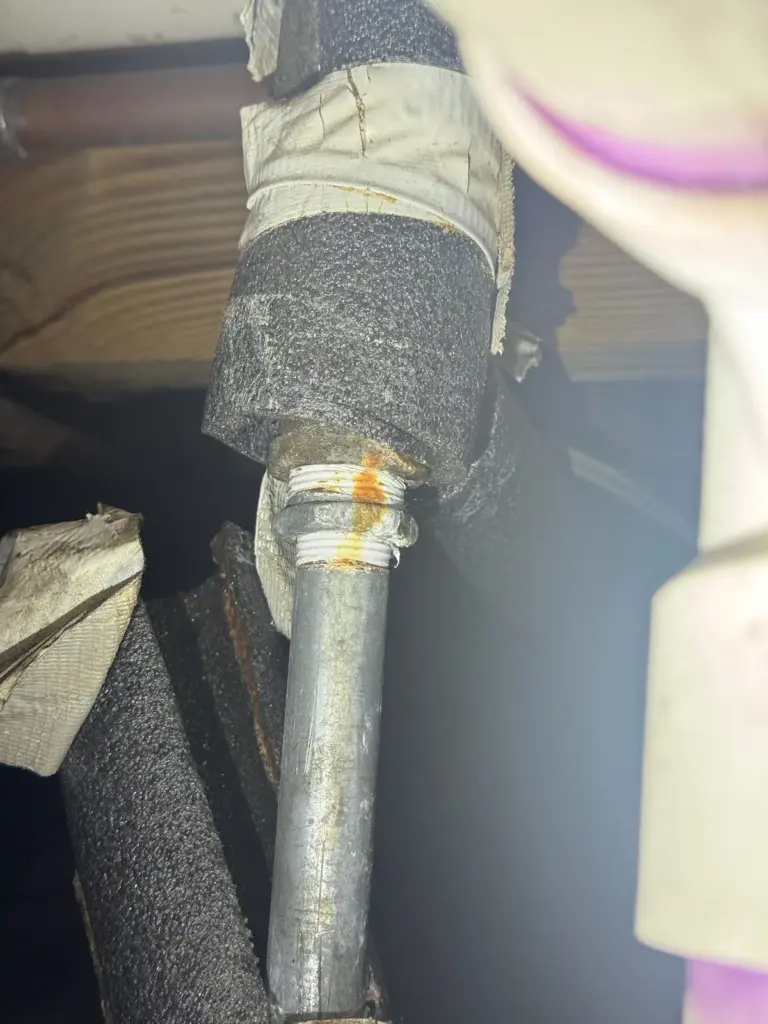
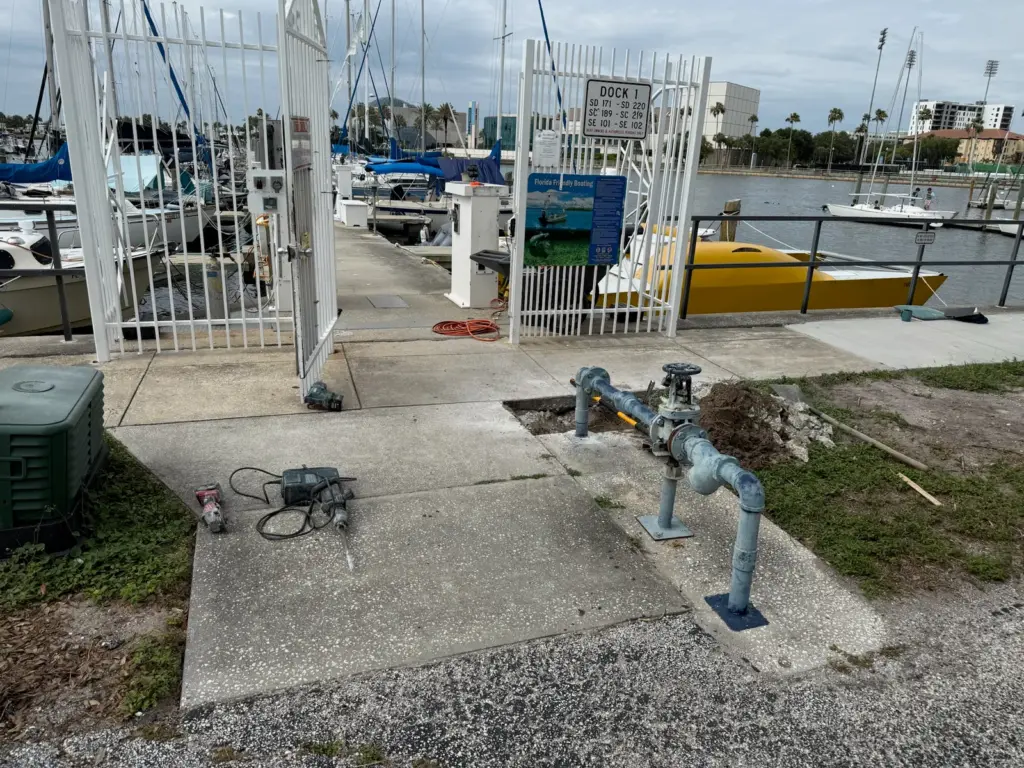
I Find Leaks serves St. Petersburg Monday through Saturday, 7 a.m. to 7 p.m. Our technicians listen along supply lines, pressurize lines when needed, and use FLIR thermal imaging where moisture hides behind drywall, tile or slab. We mark the leak for your plumber and keep our role limited to detection, so you receive an unbiased location before repair work starts.
I Find Leaks serves St. Petersburg Monday through Saturday, 7 a.m. to 7 p.m. Our technicians listen along supply lines, pressurize lines when needed, and use FLIR thermal imaging where moisture hides behind drywall, tile or slab. We mark the leak for your plumber and keep our role limited to detection, so you receive an unbiased location before repair work starts.
Case: St. Petersburg
Map: US Census Bureau county boundaries. Postal codes: GeoNames (CC BY 4.0).
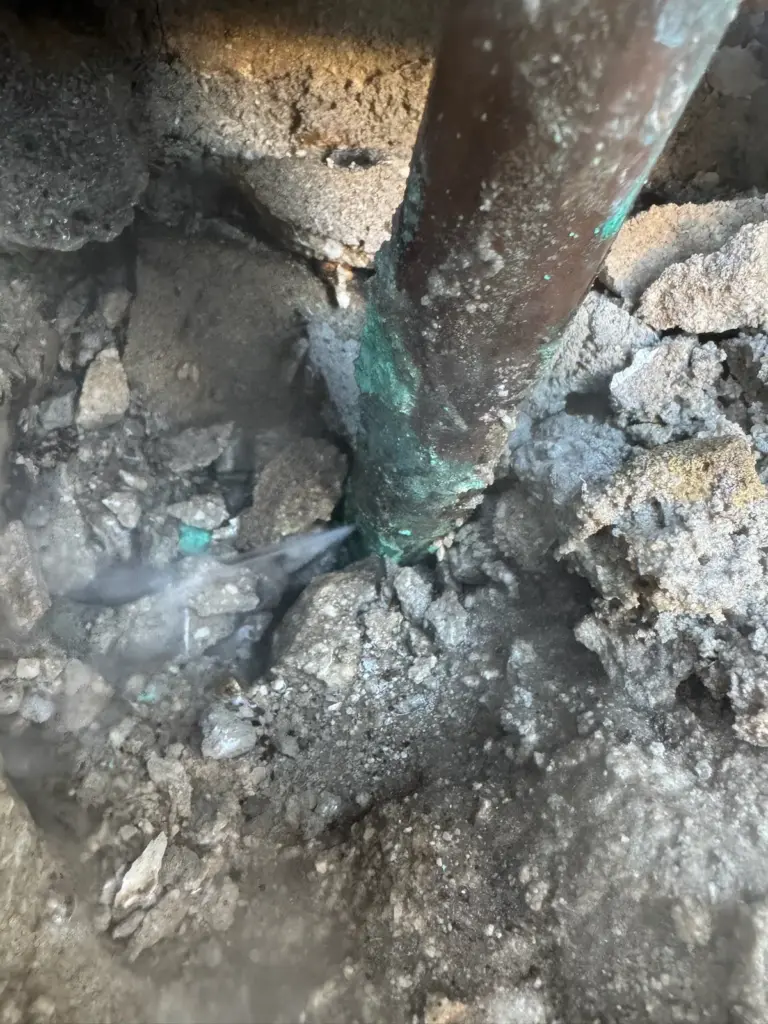
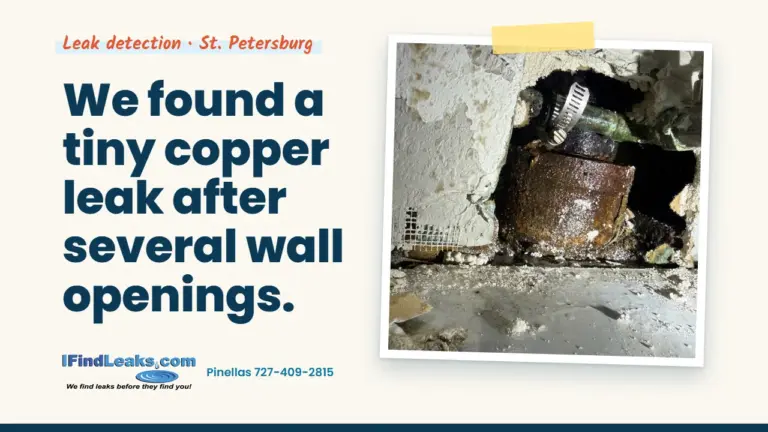
In St. Petersburg, copper pipe leaks are a common challenge, particularly in older homes and buildings in neighborhoods like Old Northeast, Kenwood, and Coquina Key. Over time, copper water lines can develop pinhole leaks that often go unnoticed by property owners. These leaks are frequently hidden beneath concrete slabs—commonly referred to as slab leaks—and can lead to significant damage if left untreated.
At I Find Leaks, we specialize in detecting and resolving these hidden issues with precision and efficiency. Whether it’s a minor pinhole leak or a more extensive problem beneath the slab, our expertise ensures St. Petersburg properties stay safe and dry. Trust us to protect your home and preserve the integrity of your plumbing system.
If you’ve received an unusually high water bill from St. Petersburg Utilities, we can help identify the source of the problem. Our expert water leak detection services are designed to quickly locate hidden leaks that may be driving up your costs. In some cases, once a leak is confirmed, you may even be eligible for a credit from your utility provider. Contact us today to pinpoint the issue and take control of your high water bill!
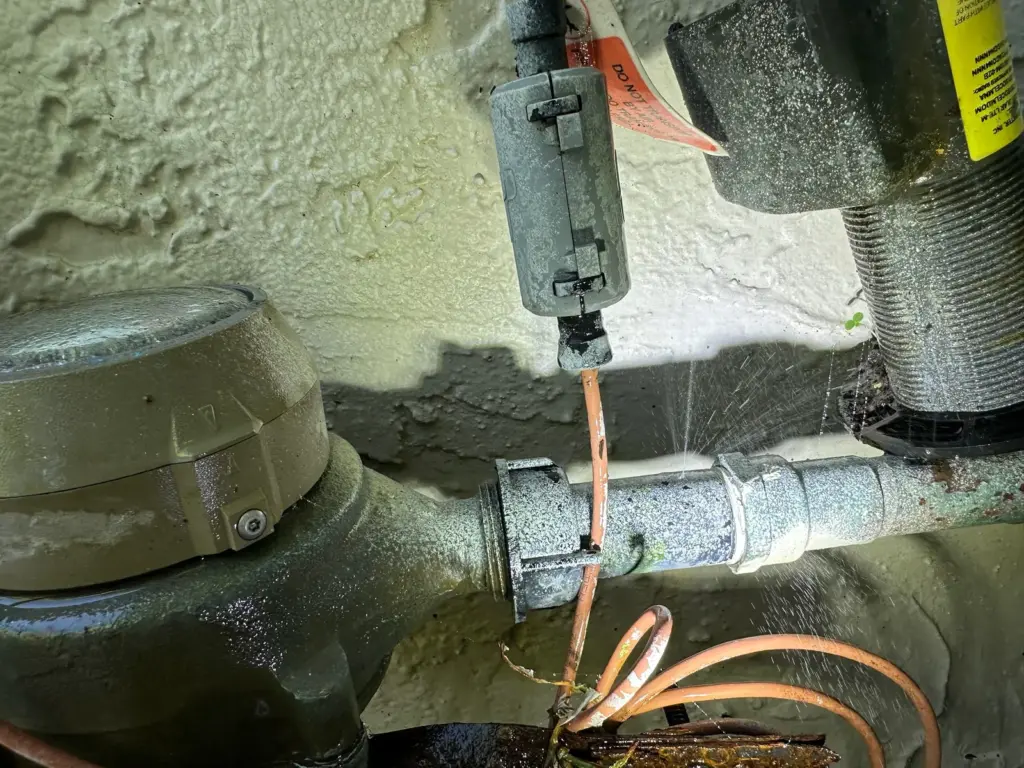
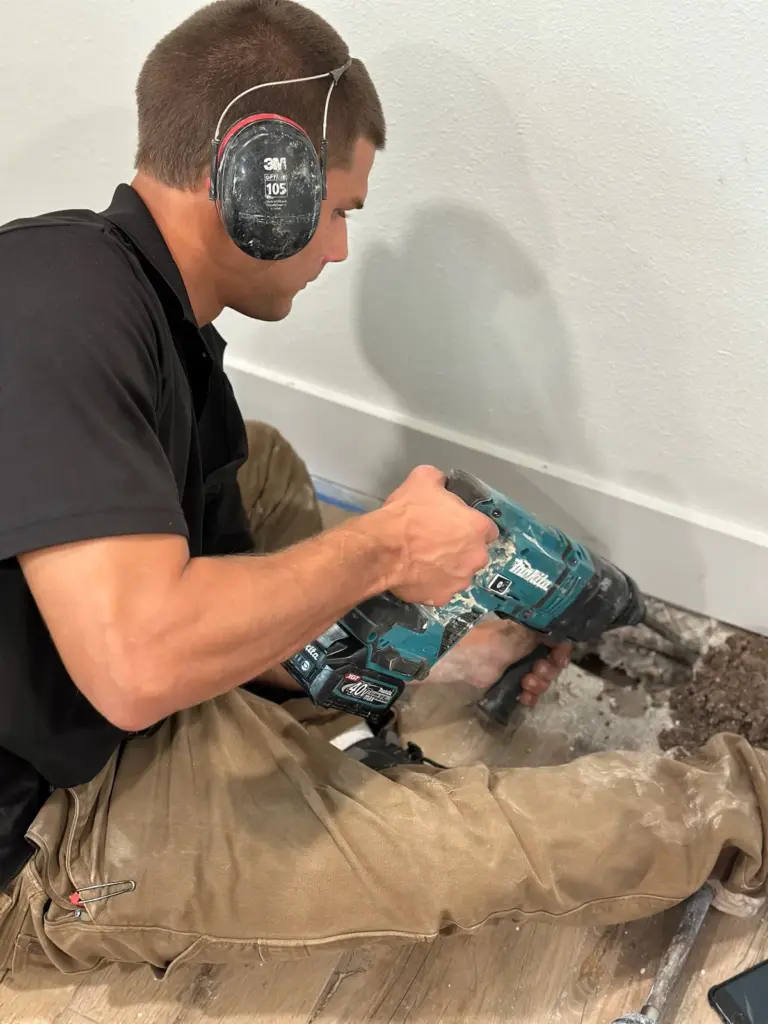
Need reliable water leak detection services in St. Petersburg? We’ve got you covered! If you’re a St. Petersburg resident or live nearby in areas like Gulfport, South Pasadena, or Shore Acres, you understand how disruptive and costly water leaks can be. Hidden leaks beneath your property or within your plumbing system can result in skyrocketing water bills, extensive water damage, and even structural concerns over time. Our skilled team is dedicated to locating these hidden issues with precision, helping to safeguard your home and keep your expenses in check.
Slab leaks often run under tile or concrete with no visible puddle. In St. Petersburg we listen along the slab, pressurize the line when needed, and mark the spot so your plumber opens only the area that failed.
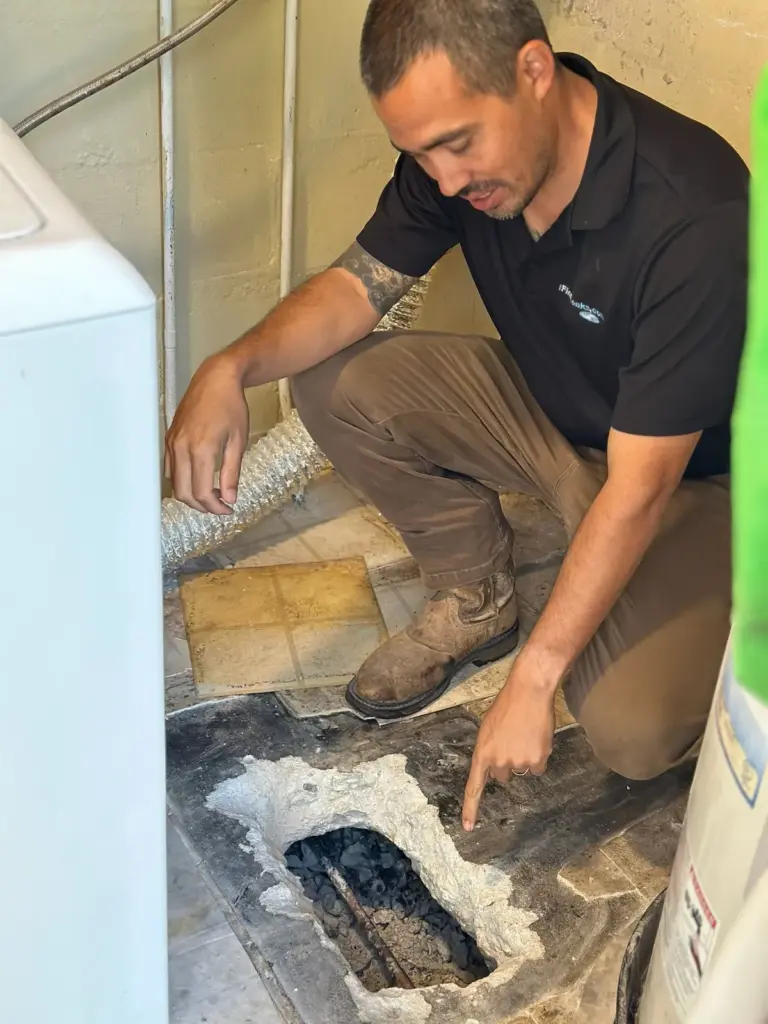
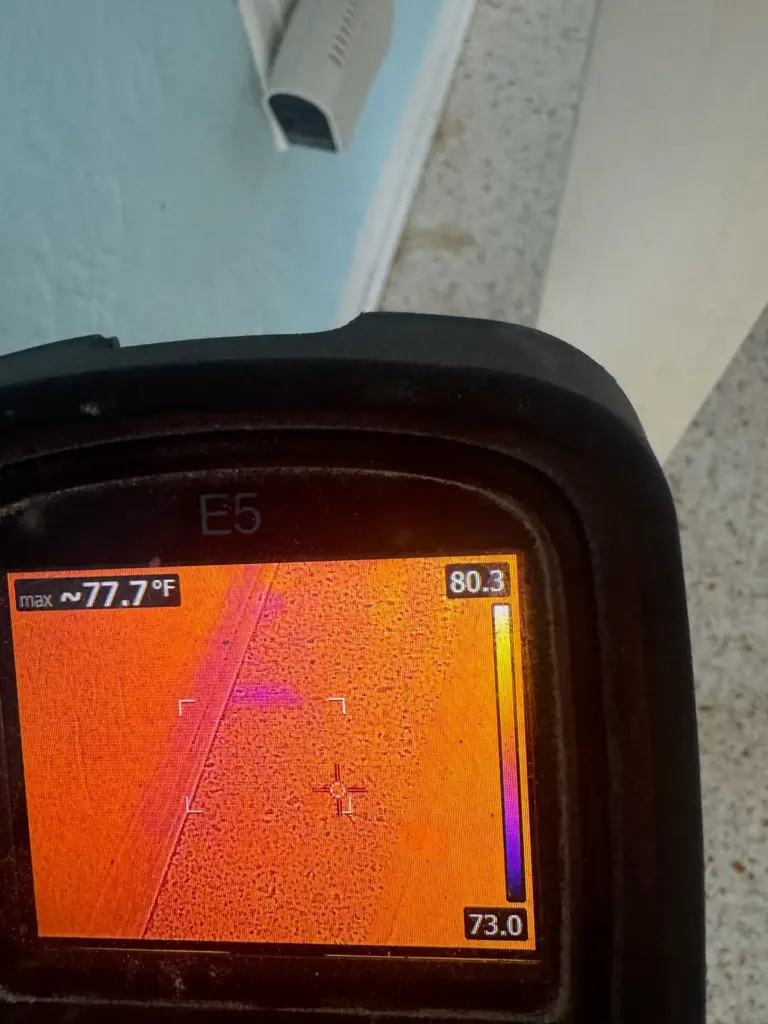
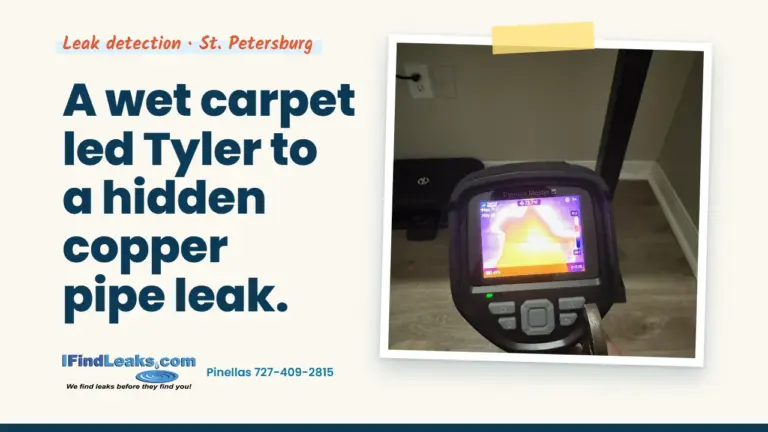
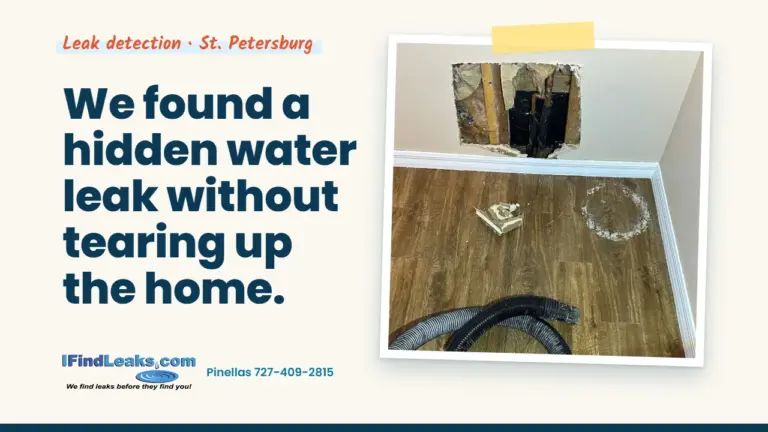
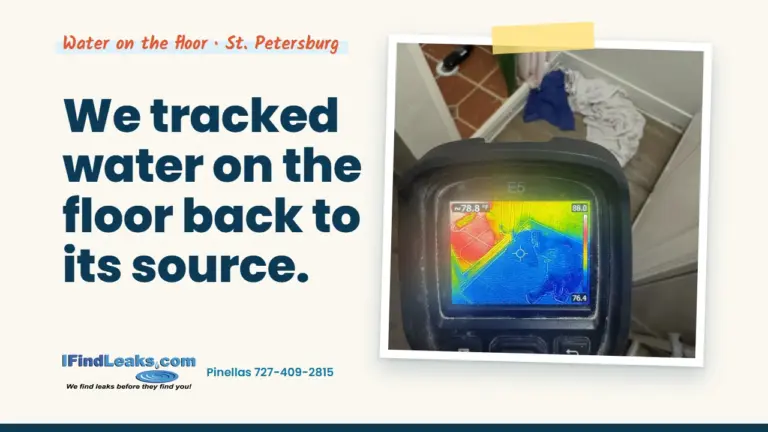
With infrared leak detection, we quickly and efficiently locate plumbing leaks in St. Petersburg homes. Our non-invasive approach means there’s no need to tear through walls or floors to pinpoint the problem. By utilizing FLIR infrared cameras—the best in the industry—we gather real-time data to identify leaks within minutes, saving you time and avoiding unnecessary property damage. Whether you’re in Shore Acres, near Vinoy Park, or anywhere in St. Petersburg, our advanced technology delivers precise, hassle-free leak detection for your peace of mind.
I Find Leaks serves St. Petersburg Monday through Saturday, 7 a.m. to 7 p.m. Our technicians listen along supply lines, pressurize lines when needed, and use FLIR thermal imaging where moisture hides behind drywall, tile or slab. We mark the leak for your plumber and keep our role limited to detection, so you receive an unbiased location before repair work starts.
(Above) AtI Find Leaks, we use advanced FLIR thermal imaging and other cutting-edge technology to detect water leaks with exceptional accuracy in St. Petersburg homes. In a recent job, our team identified a concealed copper pipe leak under a concrete slab—an area that would have been challenging to locate using traditional methods. By detecting subtle heat patterns caused by escaping water, FLIR’s imaging pinpointed the leak’s exact location without the need for invasive demolition. This non-destructive method not only minimized disruption for the homeowner but also demonstrated our dedication to providing efficient, precise, and cost-effective leak detection services in St. Petersburg.
St. Petersburg, known as the “Sunshine City,” has a rich history of growth and development since the mid-20th century. The city’s plumbing infrastructure reflects the trends and challenges of each era, shaped by the materials available and the environmental conditions of the region. From galvanized steel to modern PEX, the evolution of water line materials has played a key role in St. Petersburg’s homes, businesses, and landmarks. However, outdated plumbing materials now contribute to water leaks that require expert detection.
Outdated water line materials like galvanized steel, deteriorating copper, and polybutylene create significant challenges for St. Petersburg residents:
St. Petersburg’s historic charm, from the stunning architecture of The Museum of Fine Arts to the vibrant neighborhoods of Downtown, depends on preserving both the aesthetics and functionality of its infrastructure. Detecting and replacing outdated plumbing systems is crucial to maintaining these properties for future generations.
At I Find Leaks, we specialize in detecting hidden leaks caused by aging water lines. Our advanced technology and expert team help homeowners and business owners in St. Petersburg protect their properties from water loss and rising water bills. Whether your property is a historic home in Old Northeast or a modern building near Central Avenue, we can help.
Contact us today to schedule a leak detection service and keep your water bill under control!
Tell us what is happening, and we will call you to plan your visit in St. Petersburg.
We serve 27 St. Petersburg ZIP codes, including 33701, 33702, 33703, 33704, 33705, 33710, 33711, 33712, 33713, 33714, 33715, 33716.
We also work in nearby Largo, Clearwater and Pinellas County.
We locate the leak in your home or yard and mark it for your plumber. We quote our flat rate before we start.
Our hours are Monday to Saturday, 7 a.m. to 7 p.m.
 Our customers rated us 4.9 stars in 666 Google reviews.
We are answering now, until 7 p.m.
We answer Monday to Saturday, 7 a.m. to 7 p.m.
Tap one and we will start your note for you.
Send your name, phone number and a few photos. We answer Monday to Saturday, 7 a.m. to 7 p.m.
Prefer to call? Pinellas 727-409-2815 or Hillsborough 813-293-2014.
We are answering now, until 7 p.m.
We answer Monday to Saturday, 7 a.m. to 7 p.m.
Tap one and we will start your note for you.
Send your name, phone number and a photo of the bill or your meter if you have one. We answer Monday to Saturday, 7 a.m. to 7 p.m.
Prefer to call? Pinellas 727-409-2815 or Hillsborough 813-293-2014.
We are answering now, until 7 p.m.
We answer Monday to Saturday, 7 a.m. to 7 p.m.
Pinellas County, including Clearwater
Is water spreading? Close your home’s main water valve first, then call us.
4 minute response at this time. You will be connected with Sonny or John.